

The Science Behind These Nutritional Powerhouses
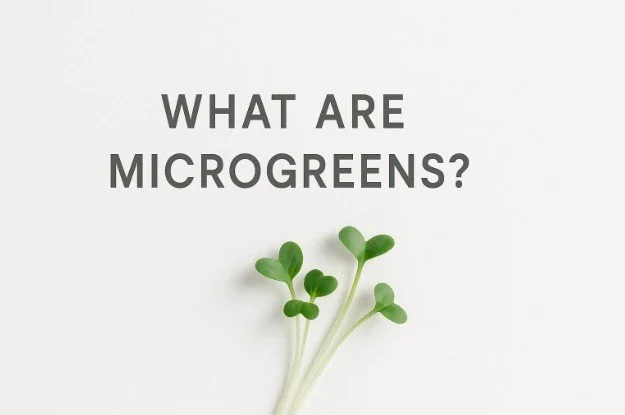
If you've wandered through a farmers market lately or browsed the produce section of your local grocery store, you've probably noticed those tiny, vibrant greens catching your eye. Those little powerhouses are microgreens, and they're creating quite a buzz in the world of healthy eating and home growing.
Microgreens are young vegetable seedlings that pack an incredible nutritional punch in a small package. Think of them as the teenagers of the plant world – they've outgrown their baby sprout stage but haven't quite reached full maturity as adult vegetables. These tender greens are typically harvested when they're just 7 to 21 days old, standing about 1 to 3 inches tall.
What Exactly Are Microgreens?
To understand microgreens, it helps to know where they fit in a plant's life cycle. When a seed first sprouts, it develops cotyledons – those first embryonic leaves that emerge from the seed. As the plant continues growing, it develops its first set of "true leaves," which look more like the mature plant's foliage.
Microgreens are harvested right at this sweet spot – when the cotyledons are fully developed and the first true leaves are just beginning to appear. This timing is crucial because it's when these little plants are bursting with concentrated nutrients, yet still tender enough to eat raw.
Unlike sprouts, which include the entire seedling including roots and are grown in water, microgreens are grown in soil or growing medium and only the stem and leaves above the soil line are harvested. This growing method and harvesting stage gives microgreens their distinctive crisp texture and intense flavors.
The Science Behind Their Nutritional Power
Here's where things get really exciting. According to a comprehensive study published in the Journal of Agricultural and Food Chemistry, microgreens contain significantly higher concentrations of vitamins and carotenoids compared to their mature counterparts.[1] The researchers analyzed 25 different microgreen varieties and found some remarkable results.[1]
The study revealed that microgreens had 4 to 40 times higher concentrations of vitamins and carotenoids than mature leaf vegetables.[1] For instance, red cabbage microgreens contained 40 times more vitamin E and 6 times more vitamin C than mature red cabbage.[1] Similarly, cilantro microgreens showed 3 times more beta-carotene than mature cilantro leaves.[1]
These findings aren't just impressive numbers – they represent real nutritional benefits. The research specifically measured ascorbic acid (vitamin C), tocopherols (vitamin E), and various carotenoids including beta-carotene, lutein, and violaxanthin.[1] These compounds are powerful antioxidants that support immune function, eye health, and may help reduce inflammation in the body.
Why This Matters for Your Health
The concentrated nutrition in microgreens makes them an easy way to boost your daily intake of essential vitamins and antioxidants. Just a small handful can provide a significant portion of your daily vitamin needs. This is particularly valuable during winter months when fresh, locally-grown produce might be limited.
The high concentration of carotenoids found in the study is especially noteworthy.[1] These compounds give many microgreens their vibrant colors and are precursors to vitamin A, which is essential for healthy vision, immune function, and skin health. The research showed that some microgreen varieties had carotenoid levels that were among the highest recorded in any vegetables.[1]
Getting Started with Growing Microgreens
One of the beautiful things about microgreens is how accessible they are to grow, even if you don't have a large garden or farming experience. You can successfully grow them indoors on a windowsill, under grow lights, or in a greenhouse year-round.
The basic setup is simple: shallow trays, a growing medium (soil, coconut coir, or specialized mats), seeds, and adequate light. Most varieties are ready to harvest in 1-3 weeks, making them one of the fastest crops you can grow.
Popular beginner varieties include pea shoots, sunflower greens, radish, and arugula microgreens. These tend to be forgiving for new growers and offer distinct, appealing flavors that work well in salads, sandwiches, and as garnishes.
Common Varieties and Their Unique Benefits
The research from the Journal of Agricultural and Food Chemistry examined various microgreen types, each offering unique nutritional profiles[1]:
Brassica varieties (like broccoli, cabbage, and radish microgreens) were particularly rich in vitamin E and carotenoids.[1] These varieties also contain glucosinolates, compounds that may have cancer-fighting properties.
Green herbs (such as cilantro and basil microgreens) showed high levels of beta-carotene and lutein, both important for eye health.[1]
Colorful varieties like red cabbage and amaranth microgreens demonstrated some of the highest vitamin concentrations overall, with their deep colors indicating high antioxidant content.[1]
Incorporating Microgreens Into Your Diet
The beauty of microgreens lies not just in their nutrition but in their versatility. Their intense flavors mean a little goes a long way. You can sprinkle them on soups, blend them into smoothies, layer them in sandwiches, or use them as the base for nutrient-dense salads.
Many people find that microgreens offer flavors that are more concentrated versions of their mature counterparts – peppery radish microgreens, sweet pea shoots, or spicy mustard microgreens. This makes them excellent for adding flavor complexity to simple dishes.
The Sustainability Factor
Growing microgreens also makes sense from an environmental perspective. They require minimal space, water, and time compared to mature vegetables while delivering maximum nutrition. This efficiency makes them an excellent choice for urban growing and reducing food miles.
For those interested in supporting local agriculture, many small farms and urban growing operations now specialize in microgreens, offering fresh varieties that might not be available in larger commercial operations.
Looking to the Future
The research on microgreens continues to expand, with scientists investigating their potential role in addressing nutritional deficiencies and supporting health in various populations. The concentrated nutrition profile makes them particularly interesting for applications where space and growing time are limited.
Further Reading and Research
If you're interested in diving deeper into the science behind microgreens, the National Center for Biotechnology Information (https://pmc.ncbi.nlm.nih.gov/articles) and PubMed (https://pubmed.ncbi.nlm.nih.gov/) offer extensive peer-reviewed research on microgreens' nutritional profiles, growing methods, and health benefits. These databases contain numerous studies exploring different aspects of microgreen cultivation and consumption.
The world of microgreens offers an accessible entry point into growing your own nutrient-dense food while supporting your health with scientifically-backed benefits. Whether you're looking to start your own small growing operation or simply want to add more nutrition to your meals, microgreens represent a simple, effective way to pack more vitamins and antioxidants into every bite.
At Sunset Farmstead LLC, we're excited about the potential these tiny greens hold for supporting healthy communities and sustainable growing practices. Their combination of intense nutrition, quick growing cycle, and culinary versatility makes them a perfect addition to any health-conscious kitchen.
References
[1] Xiao, Z.; Lester, G. E.; Luo, Y.; Wang, Q. Assessment of Vitamin and Carotenoid Concentrations of Emerging Food Products: Edible Microgreens. Journal of Agricultural and Food Chemistry. 2012;60(31):7644-7651. https://doi.org/10.1021/jf300459b