

Soil Health: Why Our No-Till Organic Methods Make Better Veggies and Flowers
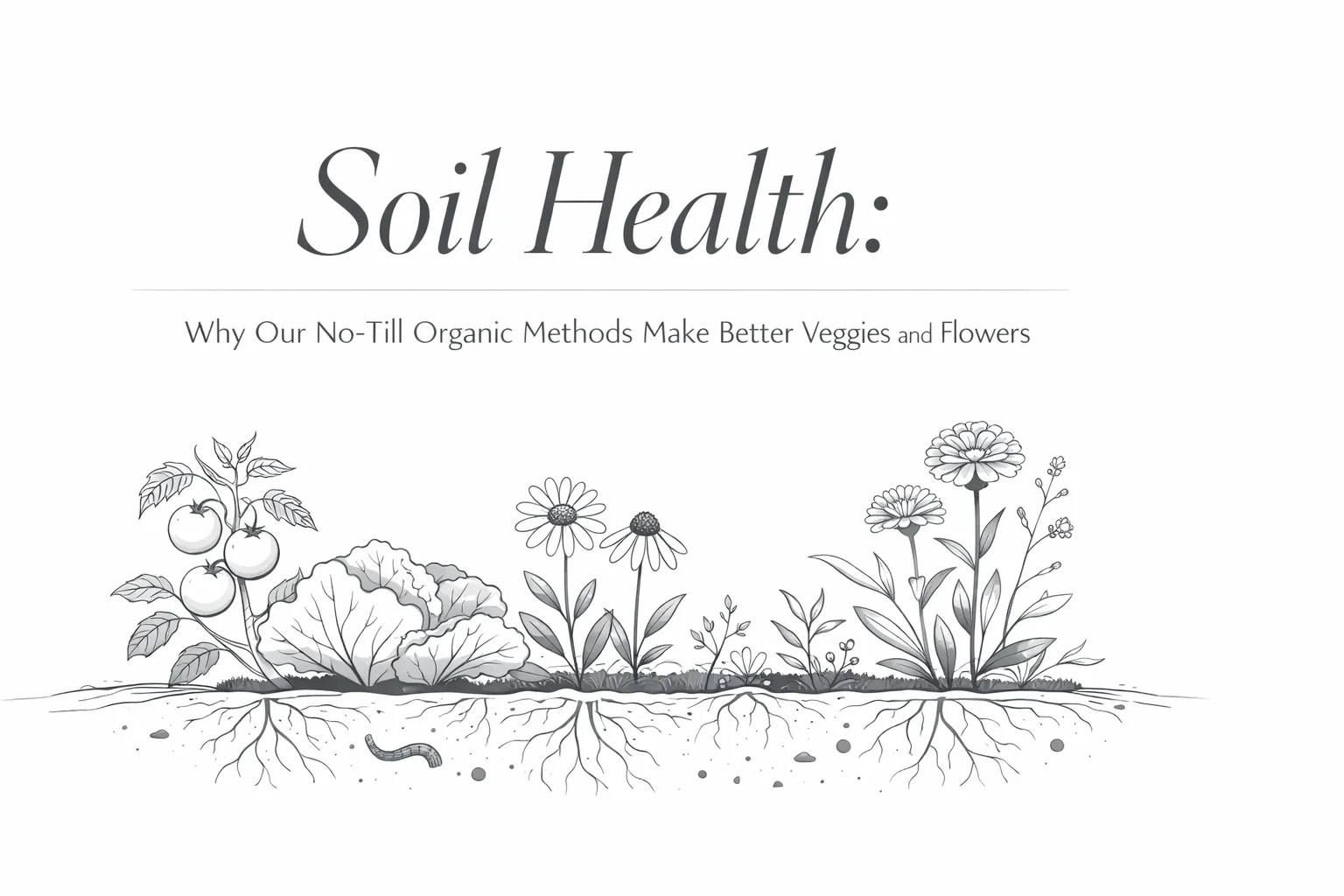
Here at Sunset Farmstead, we like to say that everything starts with the dirt beneath our feet. But honestly? It's so much more than just dirt. The soil is the heartbeat of our farm, and how we treat it makes all the difference in the tomatoes you slice into your salad and the dahlias that brighten up your kitchen counter.
That's why we've committed to no-till organic farming methods. It might sound technical, but it's really just about working with nature instead of against it. Let's dig in (pun intended) and talk about why healthy soil means healthier everything.
What Exactly Is No-Till Farming?
No-till farming is pretty much what it sounds like, we don't plow or turn over the soil like conventional farming does. Instead, we leave the soil structure intact, building on what nature already created.
Think of it this way: the soil is like a bustling underground city filled with billions of tiny workers, bacteria, fungi, earthworms, and countless other organisms. When you till the soil, you're basically bulldozing that entire city. All those beneficial critters get disrupted, their homes destroyed, and the carefully balanced ecosystem gets thrown into chaos.
By not tilling, we're letting that underground community thrive. These soil organisms are the real MVPs of our farm. They break down organic matter, cycle nutrients, improve soil structure, and even help protect plants from diseases. They're doing all the heavy lifting while we just help things along.
The Organic Piece of the Puzzle
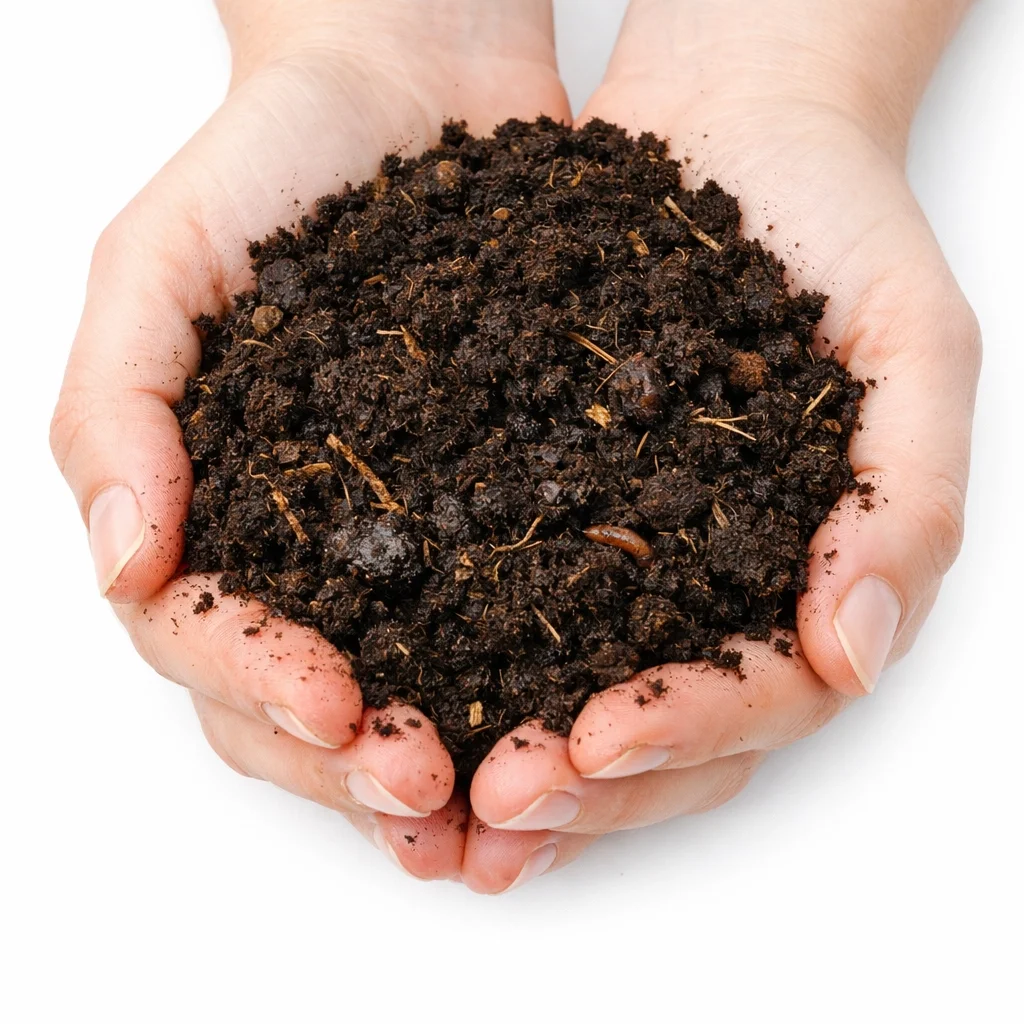
Now, add "organic" to the no-till approach, and you've got something really special. We're not just leaving the soil alone, we're actively feeding it with cover crops, compost, and organic residues. No synthetic fertilizers, no chemical pesticides, just the good stuff that nature recognizes and knows how to use.
Cover crops are one of our secret weapons. During the off-season or between plantings, we grow things like clover, rye, or vetch. These plants add organic matter back into the soil, and legumes even pull nitrogen from the air and fix it in the soil, free fertilizer that doesn't come from a bag! When these cover crops break down, they feed all those beneficial microbes we talked about earlier.
Why This Makes Your Food Taste Better
Here's where it gets really exciting, all this soil health translates directly to what ends up on your plate or in your vase.
More nutrients available, more nutrients in your food. When soil organisms are thriving, they're constantly breaking down organic matter and releasing nutrients in forms that plants can actually use. That means our vegetables and flowers have access to a steady, diverse buffet of minerals and nutrients throughout the growing season.
Compare that to conventional farming where synthetic fertilizers give plants a quick hit of NPK (nitrogen, phosphorus, potassium) and not much else. Our plants are getting the full spectrum, micronutrients like zinc, manganese, and boron that you won't see listed on a fertilizer bag but absolutely contribute to plant health and nutritional density.
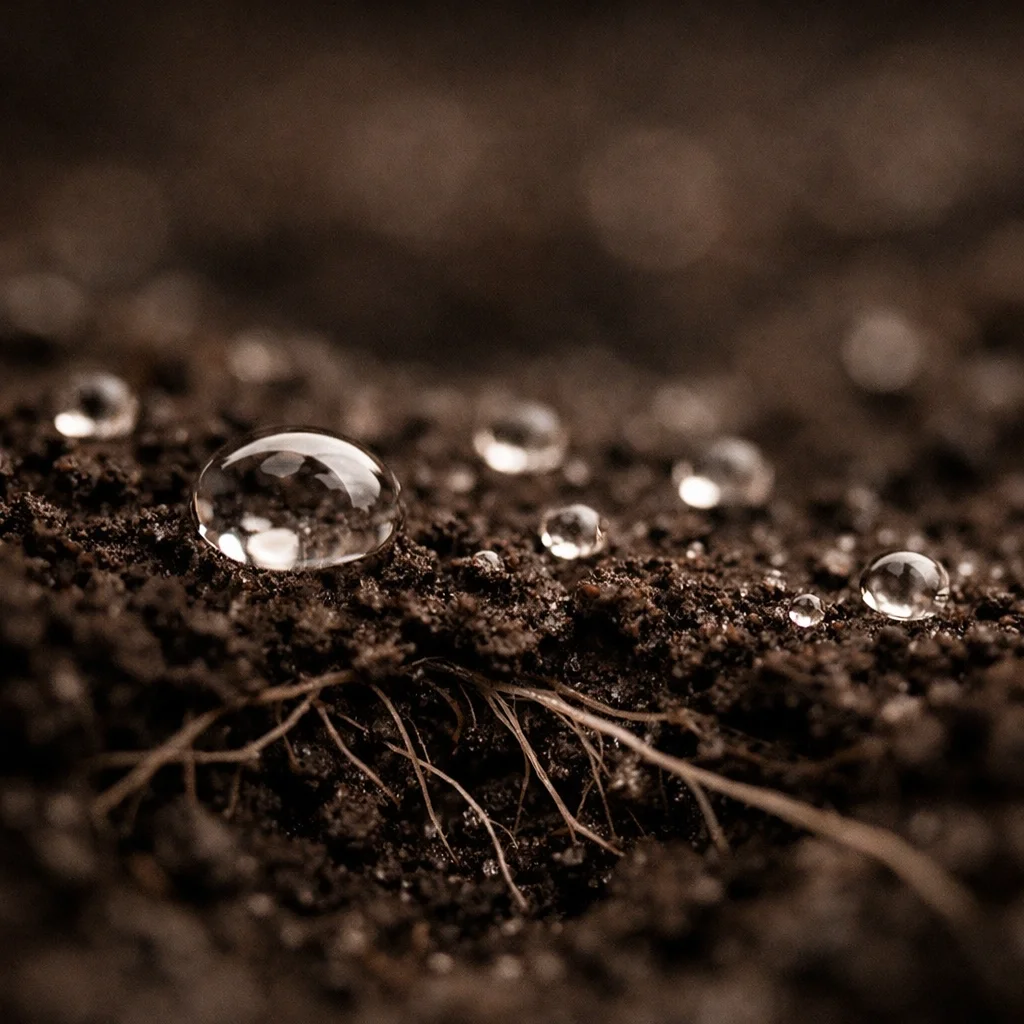
Better water means better flavor. No-till soils act like a sponge. The intact soil structure and higher organic matter content mean water soaks in instead of running off, and it sticks around longer. During dry spells, our plants can still access moisture deep in the soil profile.
Why does this matter for taste? Plants that are consistently hydrated (but not waterlogged) develop better flavor. They're not stressed, so they can focus on producing the compounds that make a tomato taste like a tomato and not just a watery red thing. The same goes for flowers: consistent moisture means stronger stems and longer vase life.
The Living Soil Difference in Your Garden
When you bring home vegetables or flowers from Sunset Farmstead, you're getting the benefits of soil that's truly alive. Here's what that means in practical terms:
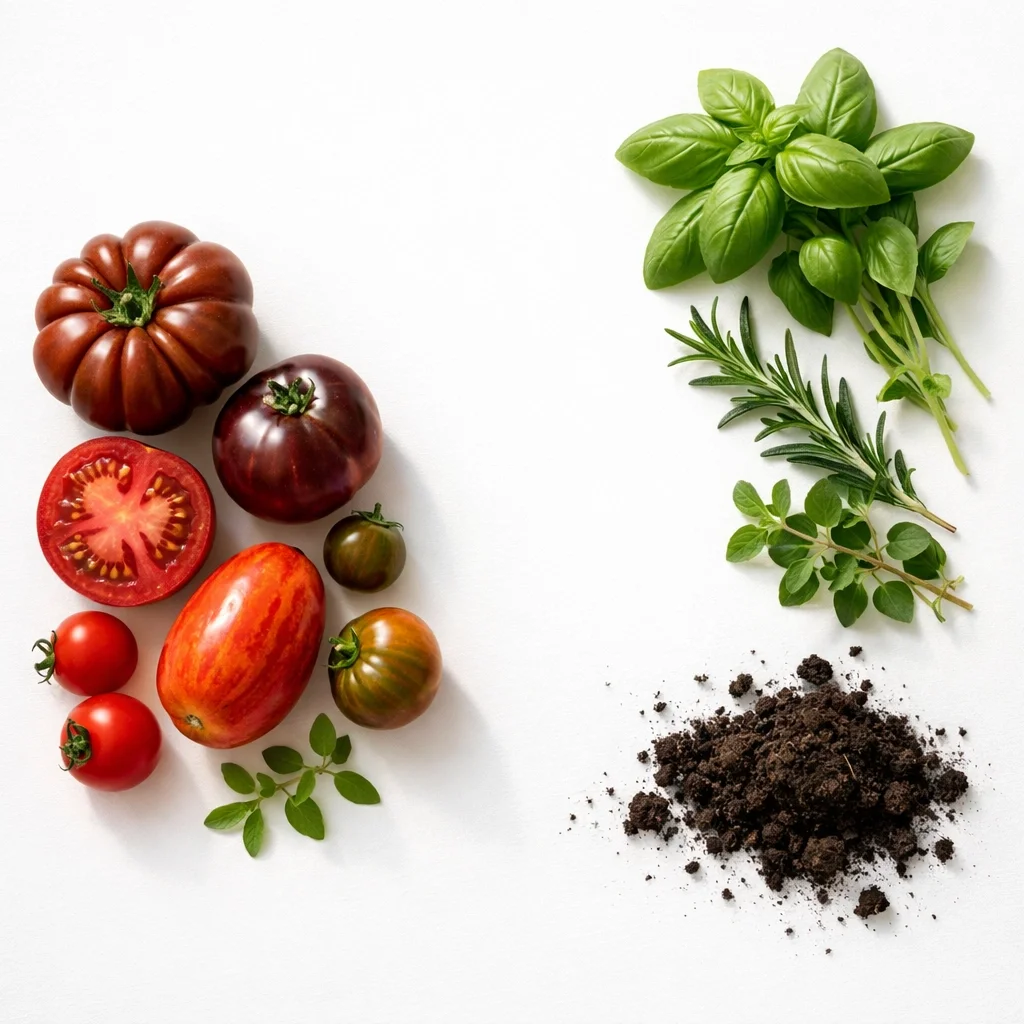
Vegetables with real flavor. That heirloom tomato or bunch of basil grown in healthy, living soil just tastes different. There's a depth of flavor, a complexity that you won't find in produce grown in tired, depleted soil propped up by chemical inputs. People have told us they can taste the difference, and we believe it's because our plants are genuinely thriving, not just surviving.
Nutrient-dense produce. Studies are increasingly showing that the nutritional content of our food has declined over the past 50 years. A big part of that? Soil depletion. When soil lacks diversity of nutrients, plants lack them too. By rebuilding soil health, we're growing food that's legitimately more nutritious: more vitamins, more minerals, more of the good stuff your body needs.
Flowers that last. Whether you're picking up snapdragons, dahlias, or black-eyed susans, you'll notice they hold up better in the vase. Flowers grown in healthy soil develop stronger cell walls and more robust stems. They're not pumped full of water weight from over-fertilization: they're structurally sound from the ground up.
Building Soil Takes Time (And That's Okay)
Full transparency here: transitioning to no-till organic methods isn't an overnight transformation. The research backs this up: soil recovery takes time. Sometimes yields dip a bit in the first couple years as the soil biology rebuilds and finds its new equilibrium.
But here's what we've learned: it's absolutely worth it. Each season, soil gets better. The organic matter percentage increases. The water infiltration improves. The plants get stronger and more resilient. We're not just farming for this season: we're building soil that will feed people for generations.
If you want to learn more, we’ve learned a lot from Jesse Frost’s book The Living Soil Handbook at No-Till Growers.
This long-term thinking is at the heart of what we do at Sunset Farmstead. We're not trying to squeeze every last drop out of the land this year. We're investing in the future, knowing that healthy soil is the foundation of everything else.
How We're Doing It Every Day
So what does this actually look like in practice on our farm? Here are some of the ways we protect and build our soil:
Permanent pathways. We've designed our growing beds so we never walk on the soil where plants grow. Foot traffic compacts soil, squashing all those air pockets that roots and soil organisms need. By keeping our feet on designated paths, we maintain that fluffy, well-structured soil.
Crop rotation. We move plant families around our beds each season. This prevents disease buildup, balances nutrient demands (heavy feeders followed by light feeders), and keeps soil biology diverse.
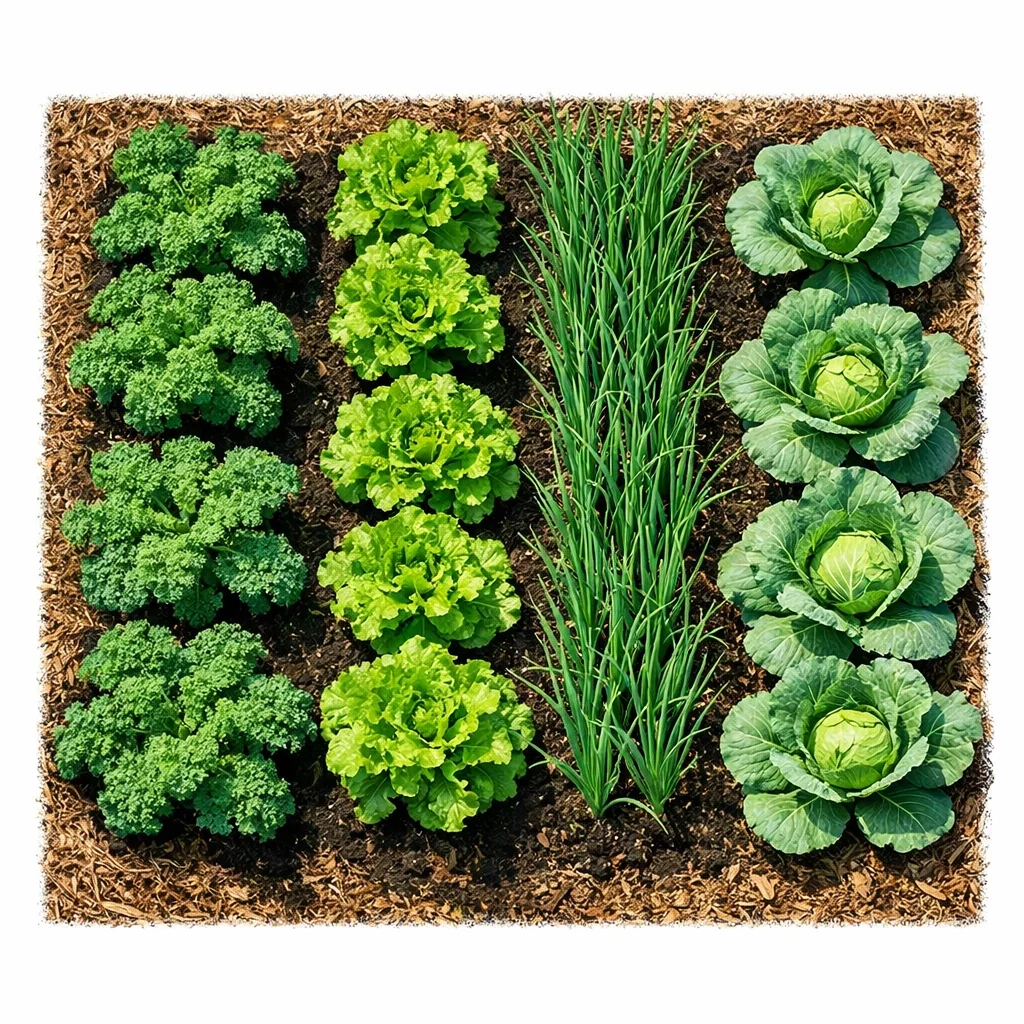
Mulching. We keep the soil covered whenever possible: with growing plants, cover crops, or organic mulch. Bare soil is vulnerable to erosion, temperature swings, and moisture loss. Covered soil stays protected and gets a steady diet of organic matter as mulch breaks down.
Compost and organic amendments. We feed the soil, not just the plants. Compost adds biology and organic matter. Other organic amendments like rock dust provide slow-release minerals that build long-term fertility.
The Bigger Picture
When we talk about soil health, we're really talking about building a resilient ecosystem. Healthy soil captures and stores carbon, filters water, supports biodiversity, and creates habitat for countless organisms. It's environmental stewardship and farming rolled into one.
You can see and taste the difference in our flowers and produce. But the benefits extend far beyond what ends up at market. We're contributing to cleaner water (no-till dramatically reduces erosion and runoff), a healthier local ecosystem, and building soil that will be even more productive for whoever farms this land after us.
What This Means for You
Every time you choose produce or flowers from farms like ours that prioritize soil health, you're voting with your dollars for a different kind of agriculture. You're supporting farming methods that:
Build soil instead of depleting it
Enhance nutrition instead of just maximizing yield
Work with nature's systems instead of overriding them
Invest in long-term sustainability instead of short-term gains
And you get to enjoy the immediate benefits: food that tastes incredible and flowers that last. It's honestly a win-win.
Come See for Yourself
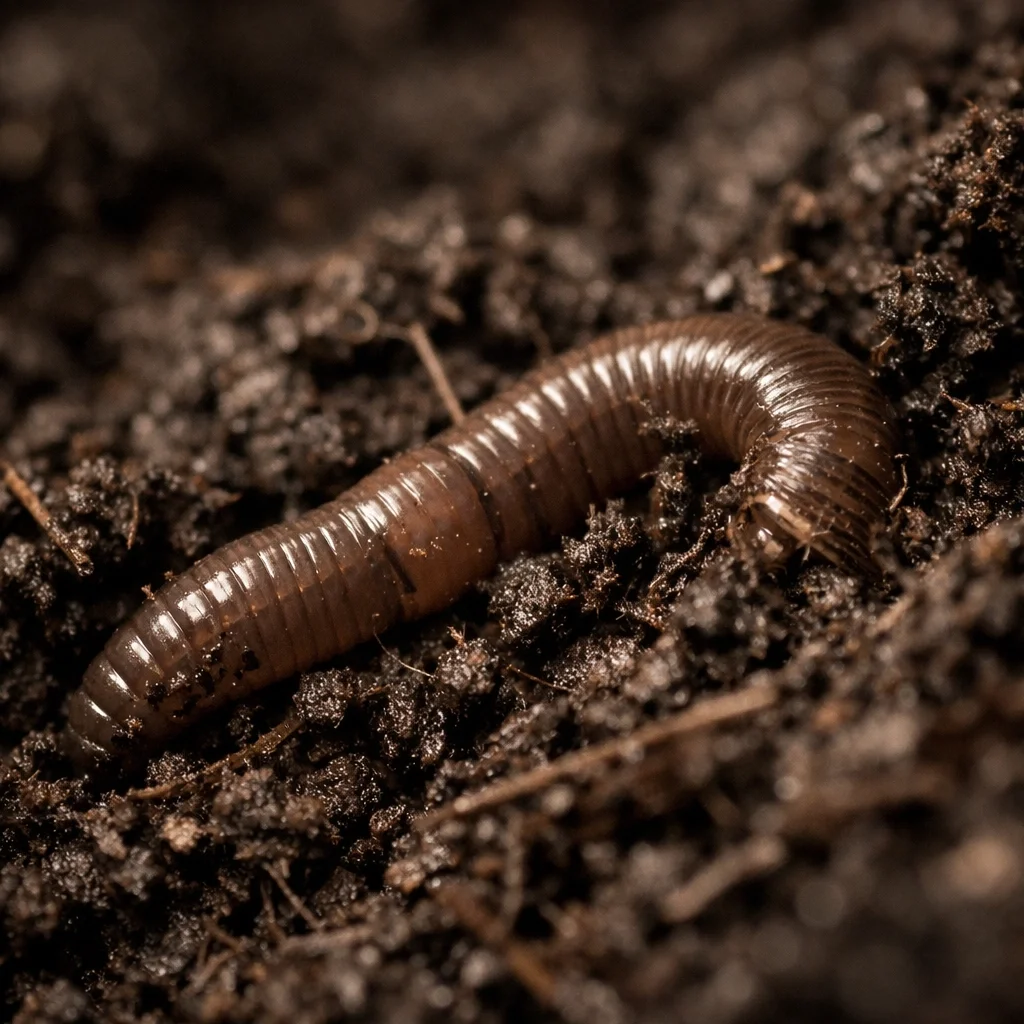
The best way to understand what we're talking about is to get your hands dirty. Healthy soil feels different. It's loose and crumbly, it smells earthy and alive, and when you dig into it, you'll spot earthworms and see all that organic matter.
Keep an eye on the home page to see what's currently available this summer, and this blog to learn more about how we're growing your food and flowers.
Because at the end of the day, it all comes back to the soil. Treat it right, and it'll take care of everything else: including making your dinner taste amazing and your home look beautiful.