

Why Sunset Farmstead Chooses Heirloom, Non-GMO Produce
At Sunset Farmstead, we believe food should have a story, flavor should matter, and the seeds we plant today should still be available generations from now. That belief is why we grow exclusively Non-GMO heirloom varieties in our gardens and market beds. In a world dominated by uniform produce bred for shipping durability and shelf life, heirloom vegetables offer something increasingly rare: authentic flavor, genetic diversity, historical connection, and seed stewardship. From our rich, deeply flavored Brandywine Tomato and Cherokee Purple Tomato tomatoes to our sweet and legendary Jimmy Nardello Pepper and dependable California Wonder Pepper peppers, every crop we grow reflects a commitment to quality over mass production.
What Does “Heirloom” Actually Mean?
An heirloom variety is an open-pollinated plant variety that has been passed down through generations because of its desirable characteristics; usually flavor, adaptability, productivity, or cultural significance.
Unlike many modern hybrid varieties, heirloom plants produce seeds that grow “true to type.” That means seeds saved from a Cherokee Purple tomato will grow another Cherokee Purple tomato the following season. This ability to preserve and continue a variety is one of the foundations of traditional agriculture.
Open-pollinated plants are naturally pollinated by insects, birds, wind, or self-pollination. Over decades, sometimes centuries, growers selected plants with the best flavor, vigor, or resilience and saved those seeds year after year.
The term “Non-GMO” means these varieties have not been genetically modified in a laboratory. While most garden vegetables sold to home growers are not genetically modified, we believe it is important to intentionally choose varieties rooted in traditional breeding and seed preservation.
According to organizations like Seed Savers Exchange and USDA, preserving heirloom varieties helps maintain agricultural biodiversity and protects genetic traits that may otherwise disappear from modern food systems.
Heirloom vs. Standard Commercial Produce
Modern commercial produce is often bred with priorities very different from those of a small farm or home garden. Large-scale agriculture typically selects varieties for:
Uniform appearance
Long-distance shipping durability
Shelf life
Mechanical harvesting
High-volume production
Flavor is often secondary.
Heirloom vegetables, on the other hand, are usually selected for qualities consumers actually notice at the table:
Rich flavor
Unique appearance
Texture
Aroma
Regional adaptability
Nutritional complexity
That difference becomes obvious the moment you slice into a sun-ripened Brandywine tomato or roast a Jimmy Nardello pepper.
Flavor and Culinary Quality
Many heirloom varieties contain higher sugar content, more balanced acidity, and more complex flavor profiles than commercial supermarket produce. Gardeners and chefs alike often describe heirloom tomatoes as having “real tomato flavor”, something many consumers feel has been lost in modern grocery store varieties.
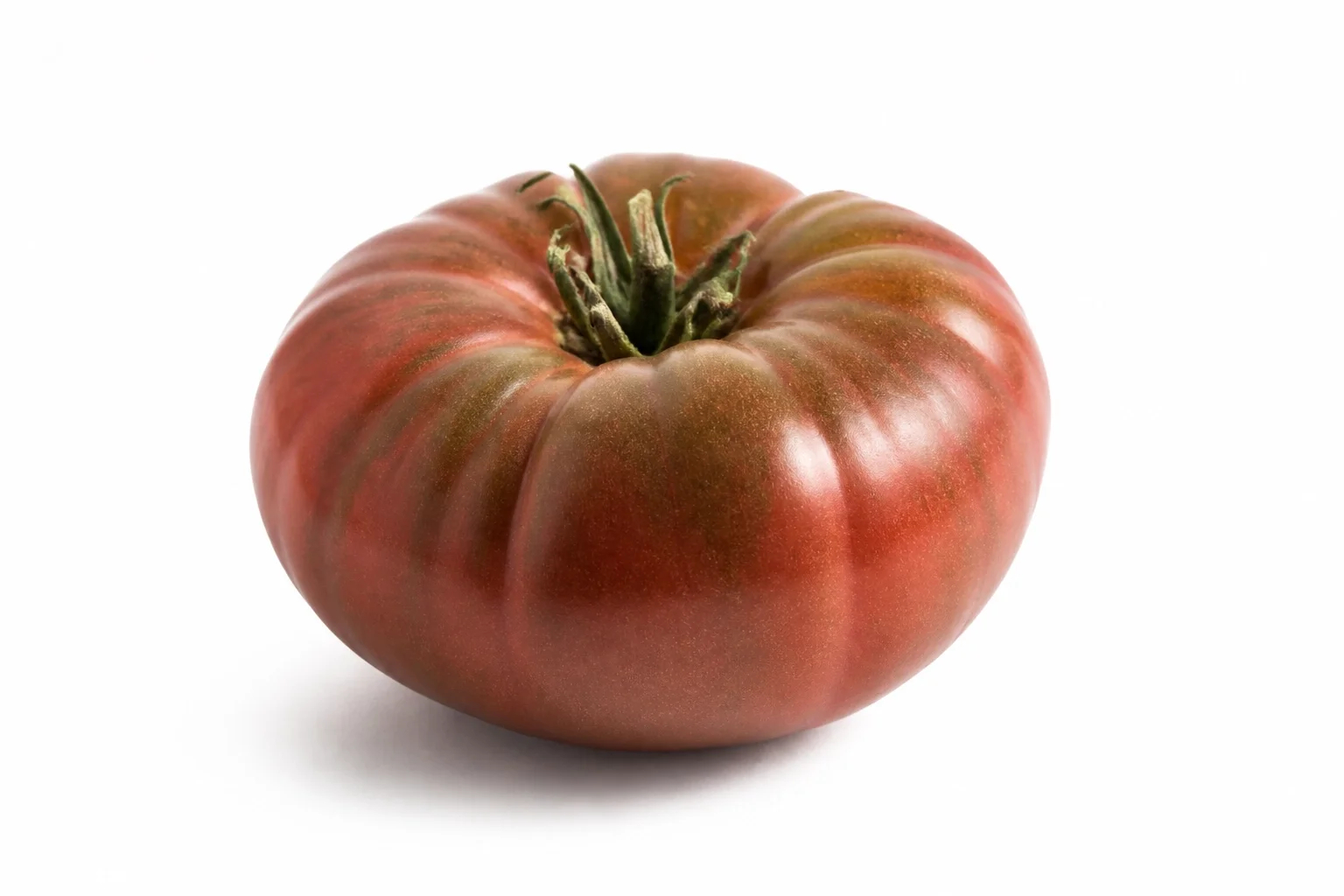
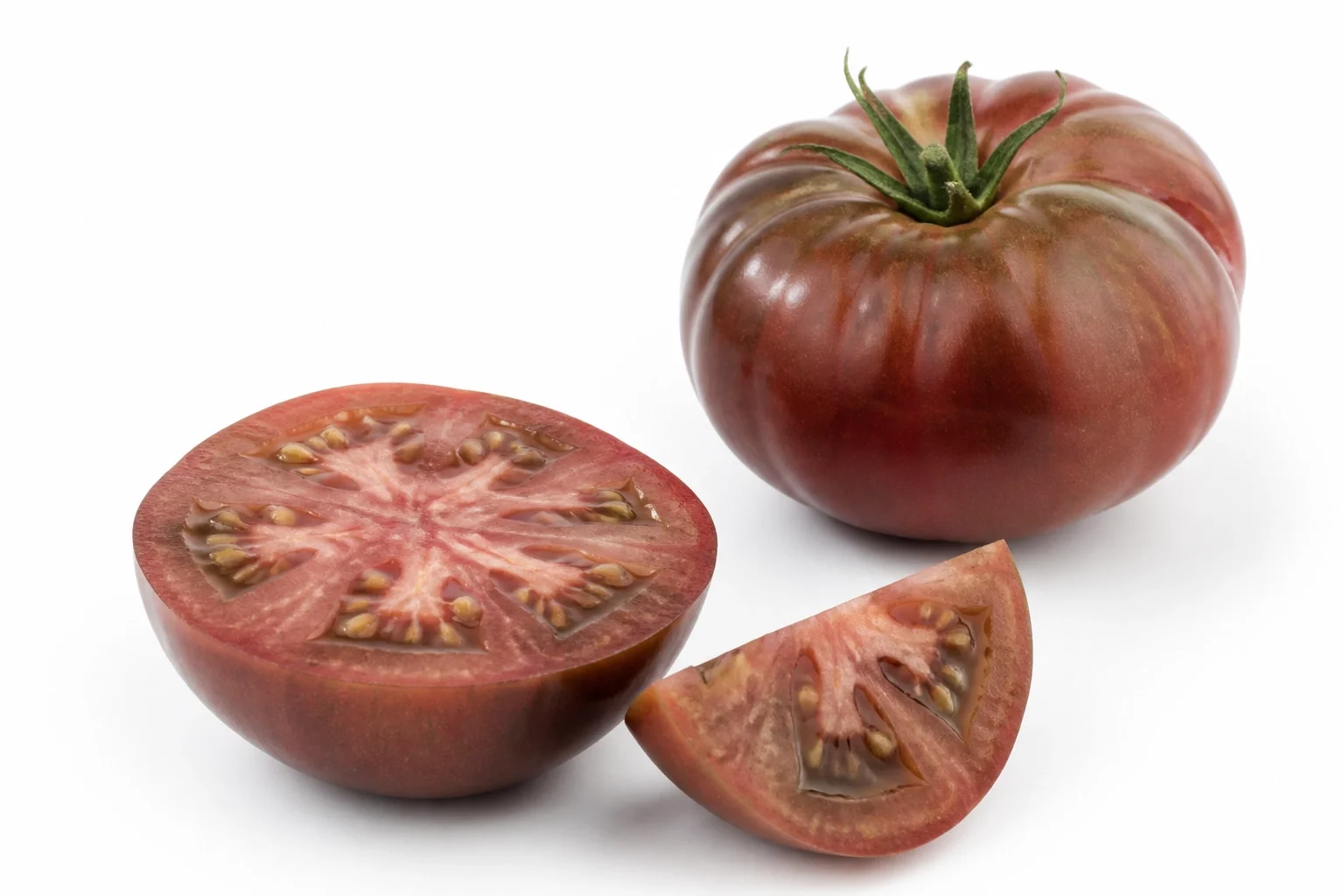
Our Cherokee Purple Tomato is a perfect example. With its dusky coloring, rich sweetness, and smoky undertones, it delivers a depth of flavor that standard red slicing tomatoes rarely achieve.
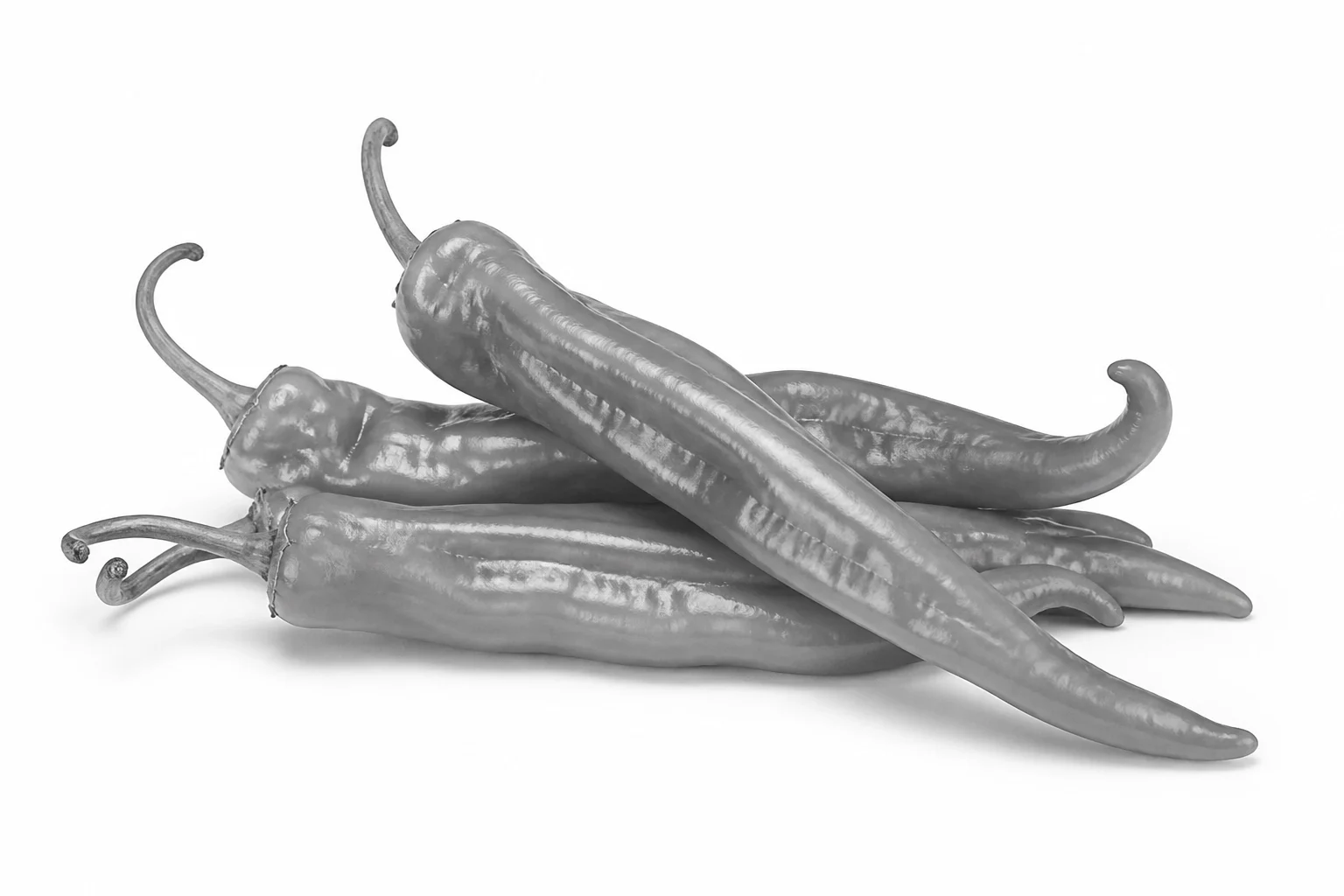
Likewise, the Jimmy Nardello Pepper is prized for its exceptional sweetness and thin skin, making it ideal for fresh eating, sautéing, roasting, and drying.
Why Genetic Diversity Matters
One overlooked advantage of heirloom agriculture is biodiversity.
Commercial agriculture often relies heavily on a narrow genetic pool. That can create vulnerability to pests, disease, and environmental changes. Heirloom varieties help preserve broader genetic diversity, which researchers consider critical for future food security.
A wider genetic base gives growers access to traits like:
Heat tolerance
Drought resilience
Disease resistance
Adaptation to local climates
Unique nutritional qualities
For small farms like Sunset Farmstead, diversity is not just philosophical, it's practical.
Seed Saving and Sustainability
Because heirloom plants grow true from seed, we can save seeds from year to year. This reduces dependence on large seed corporations and helps preserve regional food traditions.
At Sunset Farmstead, we value the connection between seed, soil, and stewardship. Saving and selecting seed creates resilience and helps ensure these varieties remain available for future growers.
The Story of the Jimmy Nardello Pepper
Few heirloom vegetables capture the importance of seed preservation better than the Jimmy Nardello Pepper.
The pepper traces its roots to southern Italy. In 1887, Giuseppe and Angela Nardiello immigrated from the Italian village of Ruoti to Connecticut, bringing seeds of a treasured frying pepper with them.
Their son, Jimmy Nardello, continued growing the family pepper throughout his life. Before his death in 1983, he donated seeds to Seed Savers Exchange to ensure the variety would survive.
That decision preserved what would eventually become one of the most beloved heirloom peppers in America.
Today, Jimmy Nardello peppers are celebrated for:
Exceptional sweetness
Thin, tender skin
Heavy yields
Excellent roasting quality
Productivity even in cooler climates
The variety earned recognition on the Slow Food USA Ark of Taste list, which catalogs culturally and historically important foods at risk of disappearing.
At Sunset Farmstead, growing Jimmy Nardello peppers is about more than producing a crop. It is participating in a living agricultural history that stretches from Italy to American gardens across generations.
Varieties We Grow at Sunset Farmstead
Brandywine Tomato
Widely considered one of the finest-tasting heirloom tomatoes ever developed, Brandywine produces large pink fruits with exceptional richness and complexity. Its flavor is balanced, sweet, and deeply savory.
Cherokee Purple Tomato
Believed to trace back to Cherokee growers in the American South, Cherokee Purple tomatoes are famous for their dark coloration, smoky sweetness, and dense texture.
Mountain Fresh Tomato
Mountain Fresh tomatoes are known for their excellent disease resistance, dependable yields, and classic old-fashioned tomato flavor. These large, firm slicing tomatoes perform especially well in a wide range of growing conditions while still delivering the rich taste customers expect from vine-ripened local tomatoes.
Sweet 100 Tomato
Supersweet 100 cherry tomatoes are prized for their intense sweetness and heavy production. These vigorous plants produce long clusters of bright red cherry tomatoes throughout the season, making them perfect for snacking, salads, and market baskets.
Jimmy Nardello Pepper
A sweet Italian frying pepper with remarkable flavor and a rich immigrant farming history.
California Wonder Pepper
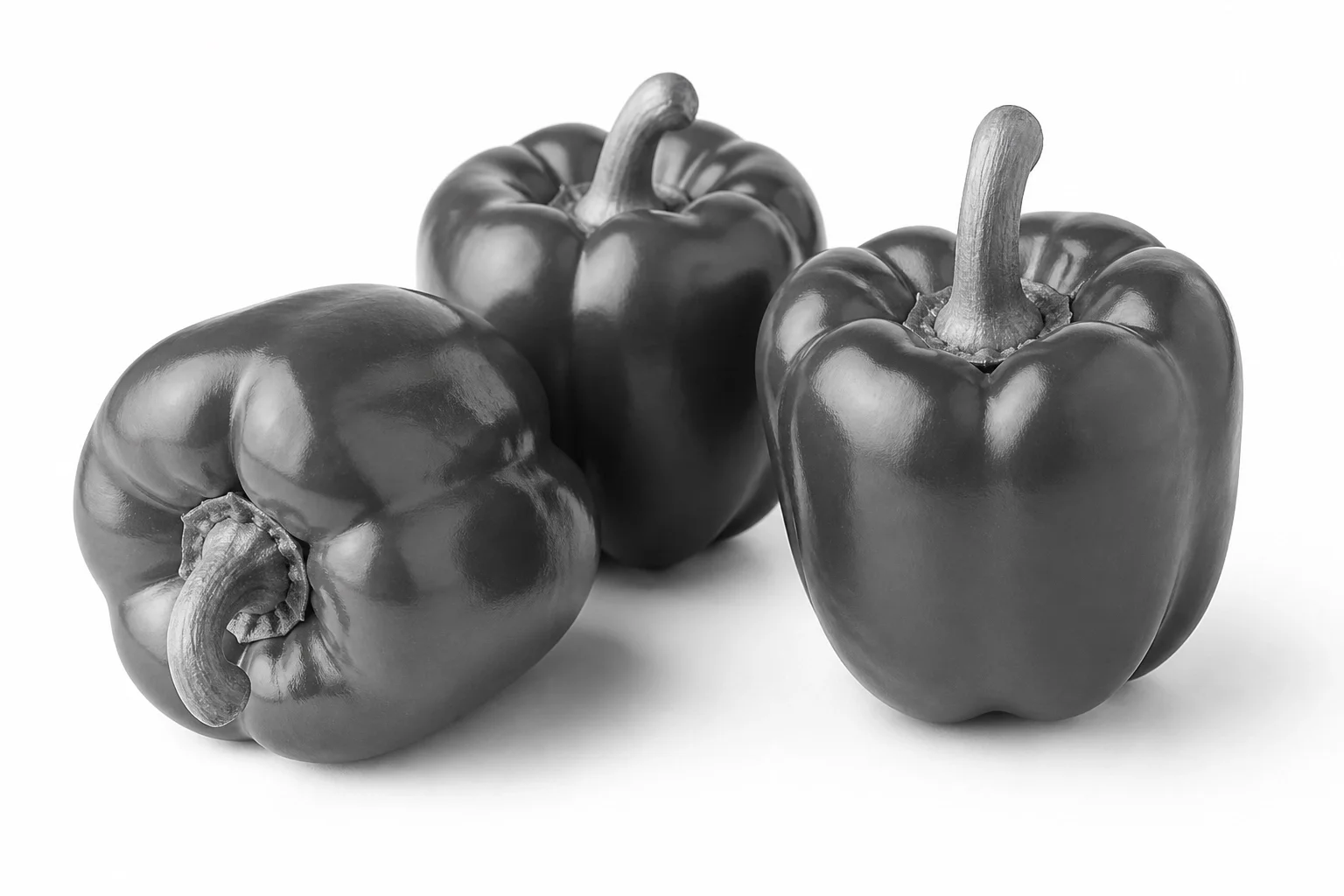
Introduced in the 1920s, California Wonder remains one of the most dependable open-pollinated bell peppers ever developed. Thick-walled, productive, and adaptable, it remains a classic garden staple.
Our Growing Standards at Sunset Farmstead
At Sunset Farmstead, our growing philosophy centers on stewardship, quality, and transparency.
We believe produce should be:
Grown from Non-GMO heirloom seed
Raised with attention to soil health
Harvested at peak ripeness
Selected for flavor first
Grown using sustainable practices that support long-term soil vitality and biodiversity
We focus on cultivating healthy living soil through compost, organic matter, careful crop rotation, and responsible growing methods rather than relying on excessive synthetic inputs.
Because we grow for local customers instead of industrial shipping systems, we can prioritize varieties that are delicate, flavorful, and nutrient-dense; produce that simply does not survive conventional large-scale distribution.
That means better flavor, fresher harvests, and food with real character.
Why This Matters
Heirloom gardening is not nostalgia for nostalgia’s sake. It is about protecting biodiversity, preserving agricultural heritage, supporting resilient food systems, and growing vegetables that actually taste exceptional.
Every season at Sunset Farmstead is part of that effort.
When customers purchase heirloom produce, they are not just buying vegetables. They are supporting seed preservation, local agriculture, sustainable growing practices, and generations of farming history carried forward into the future.
Sources and References:
Seed Savers Exchange — Heirloom seed preservation and Jimmy Nardello history
USDA — Agricultural biodiversity and open-pollinated crop resources
Slow Food USA — Ark of Taste designation for Jimmy Nardello peppers
Weaver, William Woys. Heirloom Vegetable Gardening
Deppe, Carol. Breed Your Own Vegetable Varieties