

5 Signs You're Eating "Real" Bread (And Why You'll Never Go Back)
You know that moment when you bite into a slice of bread and it just tastes… right? Not like cardboard. Not overly sweet. Not weirdly fluffy like it's made of air and chemicals. Just honest-to-goodness bread that tastes like it came from someone's kitchen instead of a factory line.
That's real bread. And once you've had it, there's no going back to the grocery store stuff.
Here at our micro-bakery, we've been baking from scratch for folks who are tired of mystery ingredients and bread that lasts longer than it should. We're talking flour, water, salt, and time, that's it. No preservatives. No fillers. Nothing you can't pronounce.
But how do you know if what you're eating is the real deal? Here are five telltale signs that'll help you spot authentic, small-batch bread every single time.
Sign #1: The Ingredient List Fits on One Line
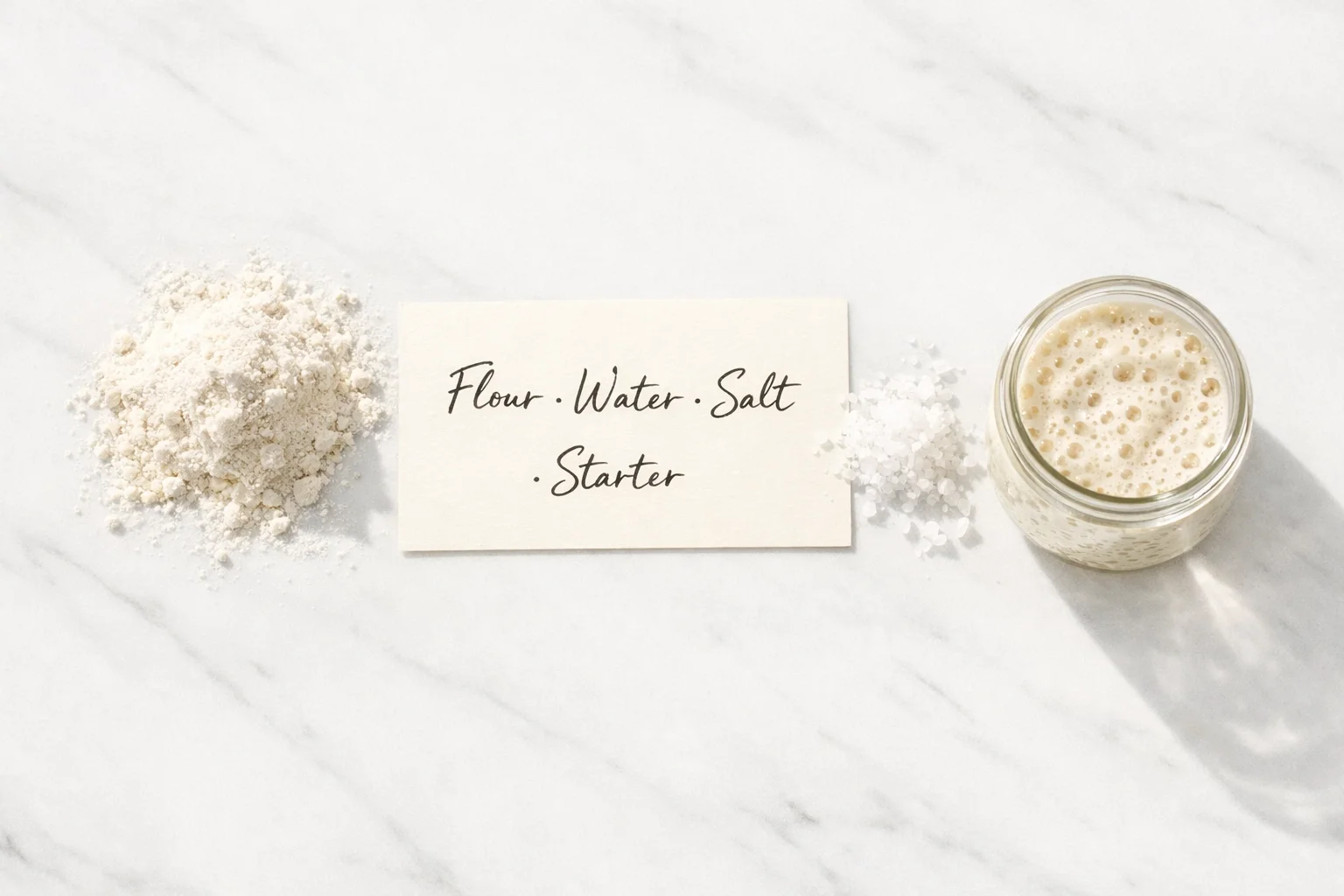
Flip over a loaf of real bread and read the label. You should see four, maybe five ingredients max: flour, water, salt, and either yeast or a natural sourdough starter. That's it.
Now grab a typical grocery store loaf. Go ahead, we'll wait. Chances are you'll find a novel's worth of additives, dough conditioners, preservatives like calcium propionate, high-fructose corn syrup, soybean oil, and a bunch of other stuff that has nothing to do with bread.
Real bread doesn't need all that. It's simple because good ingredients don't need to hide behind a chemistry set. When you're working with quality flour and giving dough the time it needs to develop flavor naturally, you don't need shortcuts.
At Sunset Farmstead, we keep our ingredient lists short on purpose. You're getting bread the way it's been made for thousands of years, before food scientists got involved.
Sign #2: The Crumb Tells the Whole Story
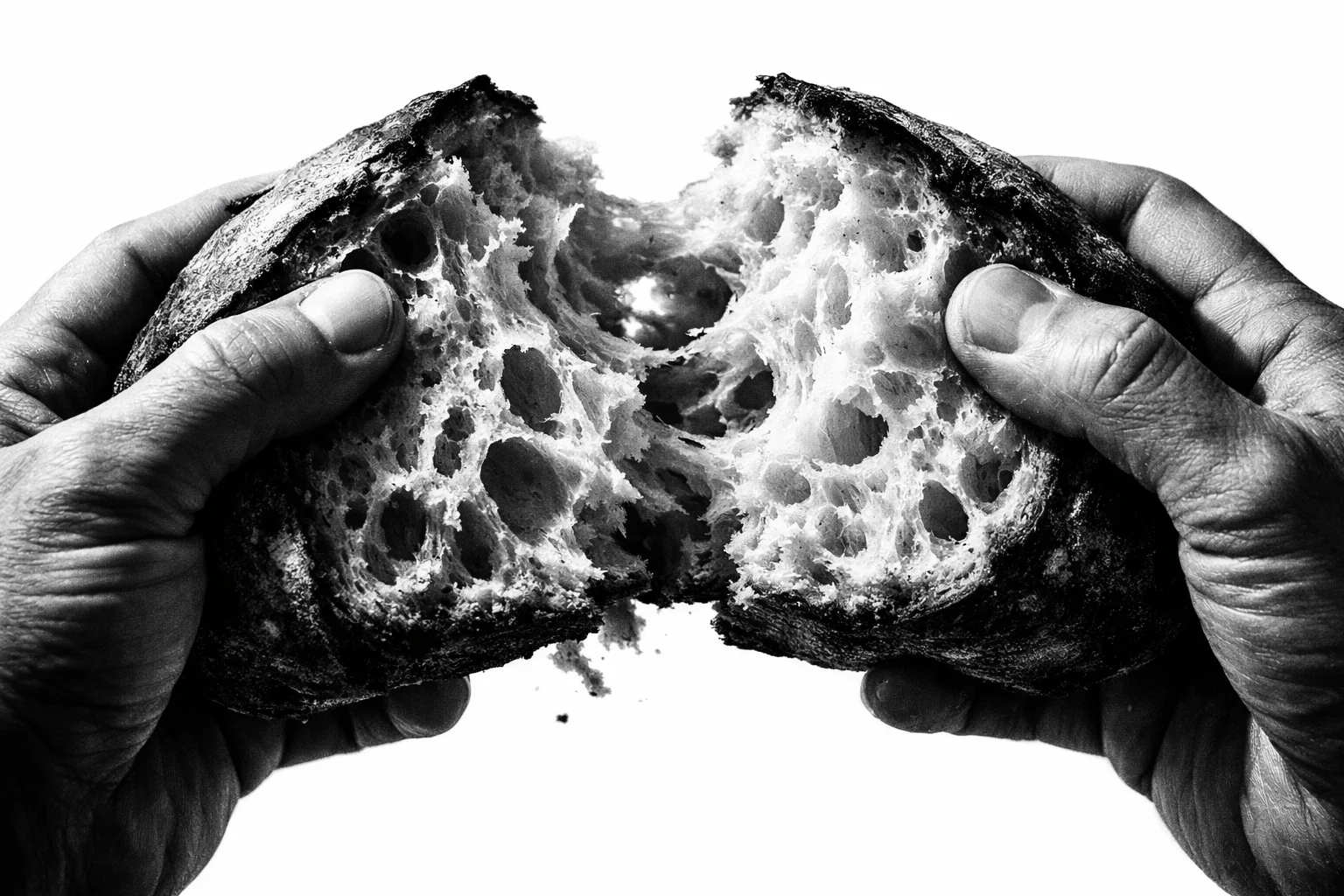
Cut into a slice of real bread and take a good look at the inside, bakers call this the "crumb." You'll notice it's not perfectly uniform. There are holes of different sizes, some bigger pockets of air, an open and airy structure that looks almost lacy in spots.
That's what happens when dough ferments slowly and naturally. The wild yeast and bacteria create gas bubbles that expand and create character. It's irregular. It's beautiful. It's proof that a living process happened in that dough.
Mass-produced bread? It's dense and uniform, with tiny, evenly-spaced holes that look like they were stamped out by a machine. Because, well, they basically were. Commercial dough conditioners and fast-rise methods create that consistent, spongy texture that never really satisfied anyone.
Real bread has texture. It's got chew. It's got structure. When you press a piece with your finger, it springs back. It holds up to a good slather of butter or a hearty soup. It doesn't turn to mush the second it gets wet.
Sign #3: It Smells Like Grain, Not a Bakery Candle
Close your eyes and take a whiff of real bread: fresh out of the oven or even a day old. What do you smell?
You should get toasted grain, maybe a hint of nuttiness from the flour, and if it's sourdough, a subtle tang that's almost earthy. It smells warm and comforting, but not artificially so. It smells like something that grew in a field and was ground into flour.
Grocery store bread often smells weirdly sweet or has that artificial "bakery" scent that's more perfume than food. That's because of all the added sugars, dough enhancers, and flavorings trying to trick your nose into thinking it's homemade.
Real bread doesn't need to trick you. The aroma comes from the Maillard reaction: that magical browning that happens when sugars and proteins in the dough hit high heat. It's chemistry, sure, but it's natural chemistry. The kind that's been happening in ovens and hearths since people first figured out how to bake.
When we pull loaves out of our home oven, the whole house smells like a farmstead should: warm, welcoming, and honest.
Sign #4: It Actually Fills You Up (and Doesn't Wreck Your Stomach)
Here's something folks don't talk about enough: real bread makes you feel good.
You eat a couple slices, and you're satisfied. Not bloated. Not sluggish. Not craving more carbs an hour later. Just… full. That's because naturally fermented bread: especially sourdough: is easier for your body to digest.
The long fermentation process breaks down gluten and phytic acid, which can be tough on some people's stomachs. The wild yeast and bacteria do some of the digestive work for you before the bread even hits your plate. That's why so many folks who struggle with commercial bread find they can handle real, slow-fermented bread just fine.
Plus, real bread has actual nutritional value. The whole grains, the natural fermentation, the lack of sugar overload: it all adds up to something your body recognizes as food, not filler.
We've had customers tell us they'd given up on bread entirely until they tried our small-batch loaves. Now they're back to enjoying toast in the morning and sandwiches at lunch, without the digestive drama.
Sign #5: The Crust Has Character (and Makes Noise)
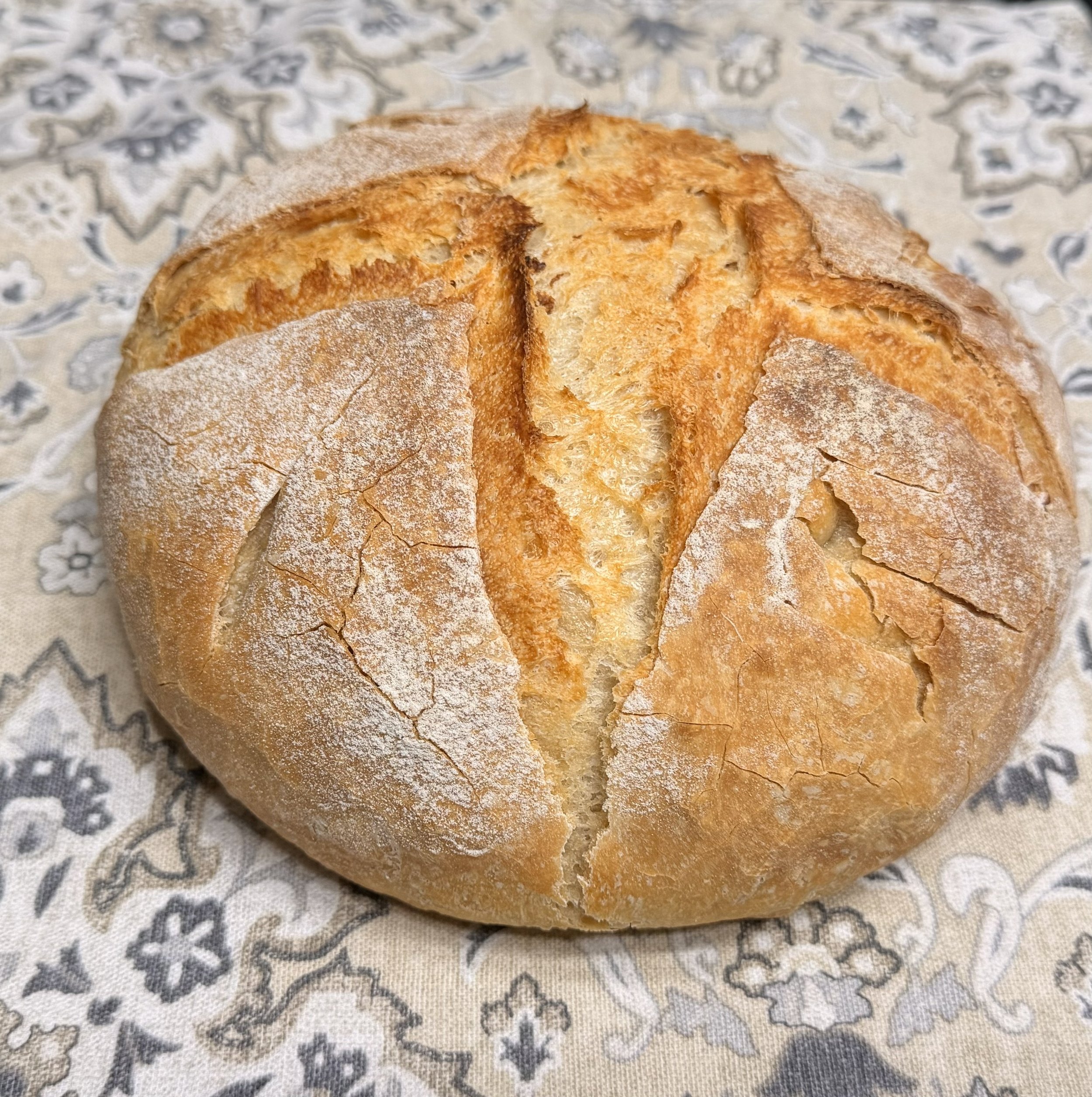
The crust on real bread is a work of art. It's golden to deep brown, depending on how dark you like it. It's got a crackling texture that literally crackles when you break it. Thin, crispy, with just enough chew to make it interesting.
When you tap on the bottom of a real loaf, it sounds hollow: that's a sign it's properly baked and the structure is right. The crust should give off a slightly smoky, roasted aroma that makes your mouth water before you even taste it.
Compare that to the soft, almost rubbery crust on mass-produced bread. There's no crunch. No drama. It's just there to hold the inside together, doing the bare minimum.
A good crust happens when dough hits high heat and steam in the oven. The sugars caramelize. The starches gelatinize and then crisp up. It's a little bit of magic that only happens when you're baking bread the right way, with the right conditions.
At our micro-bakery, we don't rush the process. We give each loaf the time and temperature it needs to develop that perfect crust: because that's where so much of the flavor lives.
Why You'll Never Go Back
Once you've tasted real bread: bread that's made with care, from scratch, with ingredients you recognize: it's hard to settle for anything less.
You start to notice the difference. The texture. The flavor. The way it makes you feel. You realize that bread isn't just filler or a vehicle for other foods. It's actually delicious on its own.
That's what we're all about here at Sunset Farmstead. We're baking the kind of bread we'd want to eat ourselves: simple, honest, and made right in our home kitchen. No shortcuts. No preservatives. Just flour, water, salt, and time.
If you've been missing out on what real bread tastes like, now's your chance to find out. Your taste buds will thank you. And trust us( once you go real, you never go back.)